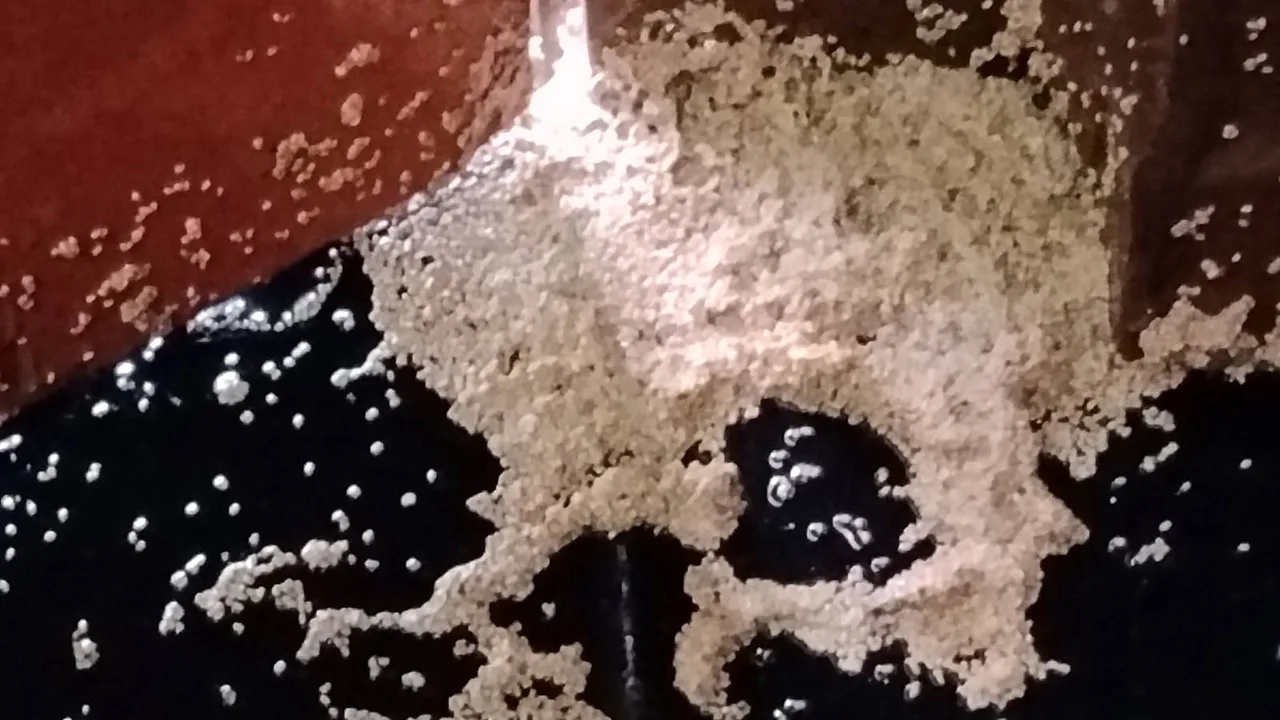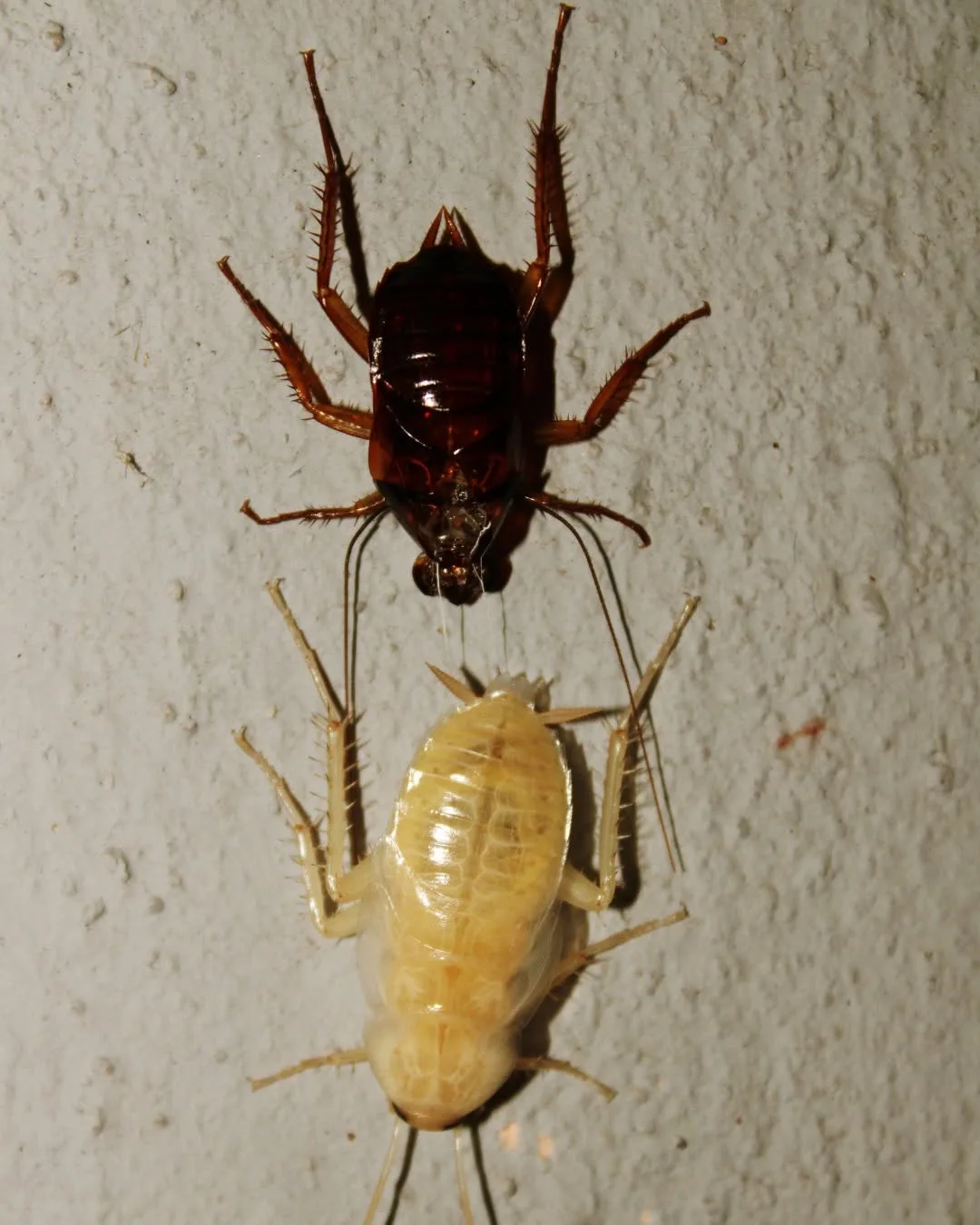
German cockroaches are the most frustrating pest in Paramount's apartments and multi-unit buildings, and the most misunderstood. They are not a dirt problem and they are not solved by a fogger. They are an indoor breeding population with a very specific biology, and once you understand it, the right treatment plan, and who should be paying for it, becomes clear.
Why German Roaches Are Different
Unlike the large outdoor roaches that wander in by accident, German cockroaches live their whole lives indoors: behind fridges, inside cabinet hinges, around dishwasher and coffee-maker motors, anywhere warm, dark and close to water. A female carries an egg case of up to 40 nymphs and produces several in her lifetime. Do the math and a handful of roaches becomes hundreds within two or three months, entirely inside your kitchen.
Why Foggers and Sprays Fail
Foggers cannot reach the cracks where these roaches live, and the spray mostly scatters them: into wall voids, into appliance motors, and through shared plumbing into the unit next door. The population that survives is now spread wider and harder to treat. Contact sprays have the same flaw. German cockroaches are also famously resistant to many common insecticides, which is why a problem that laughs at store products is normal, not a sign your home is beyond help.
How a Professional Cleanout Works
A cleanout is a program, not a single visit:
- Inspection first: we find the harborage points, because treatment goes where roaches actually live, not on open counters
- Gel bait placed in cracks, hinges and voids, which roaches feed on and share through the population
- An insect growth regulator (IGR) that stops nymphs from maturing and breeding, breaking the cycle at the source
- A follow-up at 10 to 14 days, timed to catch new hatchlings from egg cases that survived the first visit
- Coordination with neighboring units when the building is involved, because treating one unit of an infested building only moves the problem
Tenant or Landlord: Who Pays in California?
In California rentals, landlords are generally responsible for keeping units habitable, and that includes pest infestations that are not caused by the tenant. Document the problem with photos, notify your landlord or property manager in writing, and keep a copy. Tenants help the treatment work by reducing water and food harborage: dry sinks at night, sealed food, no cardboard stored against kitchen walls. We coordinate directly with property managers across Paramount, and landlords can reach us at (888) 555-0199.
Keeping Them Out After the Cleanout
After the program, small habits keep the win: wipe grease from stove edges, fix the slow drip under the sink, vacuum cabinet corners where egg cases hide, and inspect second-hand appliances and furniture before they come inside. In multi-unit buildings, a standing program for the property beats unit-by-unit emergencies every time. Cleanouts typically run $225 to $450 for the initial service with follow-ups built in.
Common Questions
How long until they are gone?
Most kitchens see a dramatic drop within the first week and full control after the follow-up visit. Heavy infestations in multi-unit buildings can take a third visit, which is why the program, not a single spray, is the product.
Do I need to empty my cabinets?
For gel bait programs, usually not fully. We will tell you exactly what to move. Unlike old-style sprays, bait goes into cracks, not over your dishes.
Can I get rid of them myself?
Light, early problems sometimes respond to gel bait from a hardware store, placed correctly and patiently. Established infestations, especially in apartments, almost always need the IGR and follow-up structure of a professional program.