Bed bug treatments fail on preparation more often than on product. The treatment can only reach the bugs you let it reach, and bed bugs are elite hiders: mattress seams, headboard joints, sofa frames, baseboard cracks. Follow this checklist and one treatment cycle does the job. Skip it and even the best treatment struggles.
Laundry: Heat Is Your Best Tool
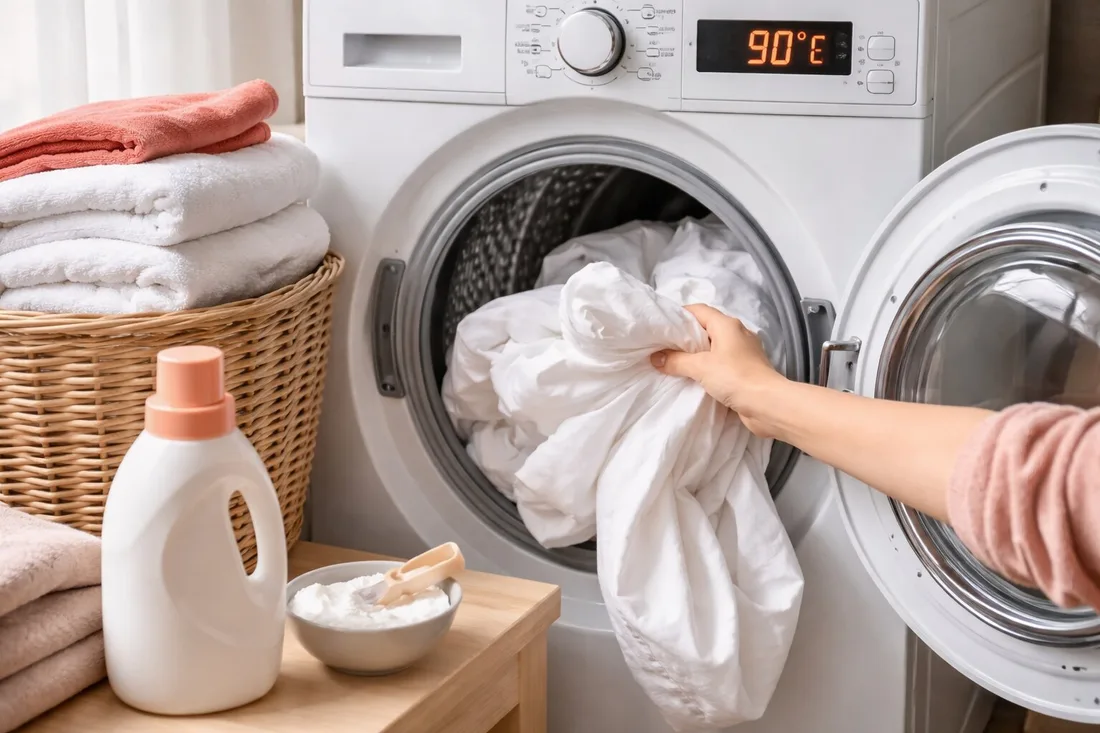
Heat kills every bed bug life stage, including eggs, which most chemicals cannot. Bag bedding, clothing and washable items in the affected rooms, seal the bags, and wash and dry on the hottest settings the fabric allows. The dryer matters most: 30 minutes on high heat is lethal. Keep cleaned items in sealed bags or bins until after treatment, and carry bags straight out of the home so nothing drops along the way.
Declutter Without Spreading Them
Clutter is cover. Clear the floor around beds and sofas, empty under-bed storage, and give the technician open access to seams, joints and baseboards. The trap to avoid: do not move infested items to other rooms, the garage sale pile or a friend's house. That is precisely how bed bugs colonize a whole home. Anything that must leave goes out sealed, and anything that cannot be treated or laundered gets bagged and marked.
What to Do With the Bed Itself
Strip the bed completely and stand the mattress and box spring so seams are accessible. Do not throw furniture out in a panic: most beds and sofas can be treated successfully, and dragging an infested mattress through the home spreads bugs to every room it passes. After treatment, install quality mattress and box spring encasements and leave them on for a full year. Encasements trap anything that survived and starve it, and they make future inspections far easier.
Pets, Kids and Sensitive Items
Plan for everyone, including pets, to be out during treatment and until the technician confirms re-entry, usually a few hours. Cover or remove fish tanks and turn off their air pumps, and flag bird or reptile enclosures on the call so the plan accounts for them. Food, dishes and toothbrushes in treatment rooms should be sealed away. Tell us about asthma, allergies or a baby in the home; the preparation guidance adapts.
After Treatment: The First Two Weeks
Expect a follow-up inspection, and do not read it as failure. Eggs can hatch after the first visit, and catching nymphs at that window is the design of the program. Sleep in the treated rooms if you can: your presence draws surviving bugs out to the treatment. Keep encasements on, reduce bedroom clutter for a month, and call us if you see live bugs after day ten rather than spraying anything yourself, which can scatter them and undo the work. Paramount bed bug jobs typically run $500 to $1,800 depending on rooms and method; questions before you book: (888) 555-0199.
Common Questions
Do I need to wash everything I own?
No. Focus on bedding, clothing and soft items in the affected rooms. Items in sealed storage in unaffected rooms can usually stay put. Your technician will confirm the exact scope after inspection.
Should I throw away my mattress?
Almost never. Treatment plus a good encasement solves most mattresses, and removal risks spreading bugs through the building. Replace only if the frame or mattress is damaged beyond cleaning.
How soon can I sleep in the bed again?
The same night, once the re-entry time has passed and bedding is replaced with heat-treated linens. Sleeping there actually helps the follow-up work as intended.